
EV Charging Stations in Nepal: A Complete Guide to Locations, Networks and Highway Travel
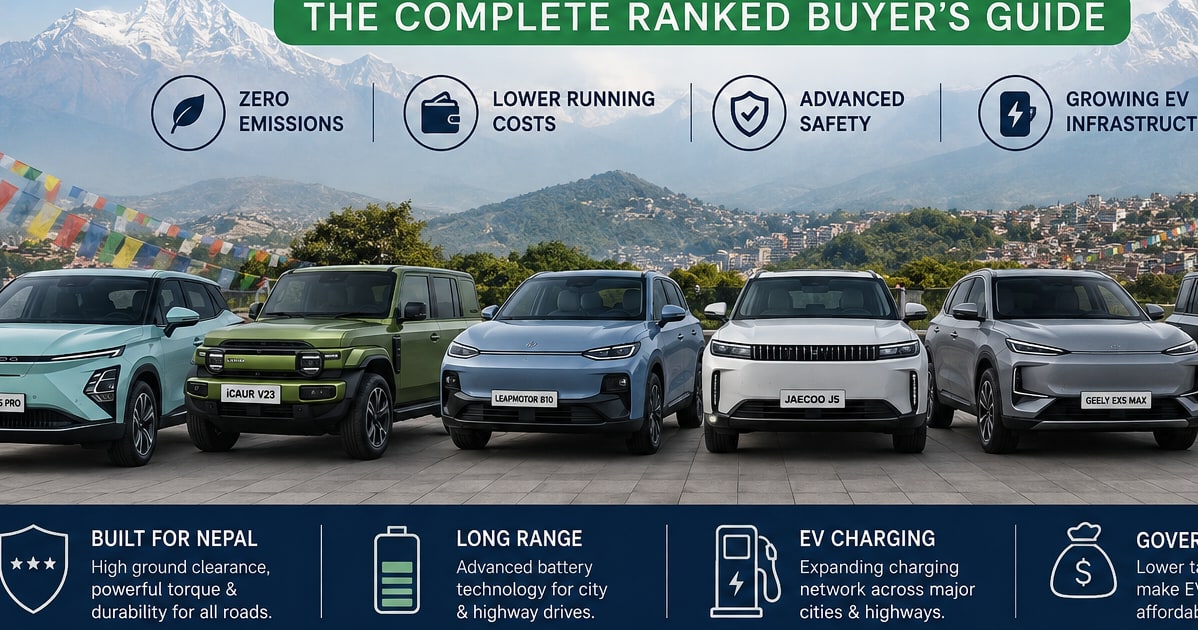
Electric vehicle Charging Stations in Nepal has moved beyond city commuting. Expanding public and private chargers mean many drivers can now plan longer trips with greater confidence. Battery size and claimed range still matter, but reliable access to compatible charging stations has become equally important for everyday use and highway travel.Cities such as Kathmandu, Pokhara and Bharatpur offer denser coverage. Along major highways the network is thinner and more variable. Public stations from the Nepal Electricity Authority, independent operators and brand-supported facilities all contribute. The practical question for drivers is straightforward: how well does Nepal’s charging infrastructure support both daily driving and inter-city journeys? https://omodajaecoonepal.com/charging-stations-in-nepal EV Charging Stations in Nepal
Nepal’s EV Charging Network: Who Is Building the Infrastructure?
Several groups are developing the network, each with different roles. The Nepal Electricity Authority operates public fast-charging stations at strategic points along highways, bus parks and urban sites. These typically offer CCS2 and GB/T connectors at power levels that include 60 kW and 120 kW options, along with some AC charging. Payment is handled through the NEA Charge app or QR systems. MAW Vriddhi has built one of the larger private CCS2 networks, with stations reported across cities and more remote areas. Electriva, AirCharge and similar independent providers add DC and AC points, often at hotels, restaurants or commercial sites. Thee Go operates multi-gun charge points and highway e-stops, including locations such as Kurintar. Automobile distributors also contribute. Sipradi supports Tata vehicles with charging facilities. Other brands, including BYD, MG, Hyundai and others, maintain dealership chargers. SPG Automobiles, the distributor for Omoda and Jaecoo, lists charging points at selected outlets and has installed facilities in locations such as Tsarang in Upper Mustang. Hotels, resorts and private businesses frequently host chargers as well. These are not all nationwide networks. Public NEA stations, brand dealership points and individual private chargers serve different needs. Drivers should treat each location on its own merits rather than assuming uniform coverage.
Where Can You Find EV Charging Stations Across Nepal?
Coverage is strongest in the Kathmandu Valley and along key travel corridors. Directories such as NepalEVs and others list hundreds of stations, but totals differ because of listing methods, update frequency and definitions of what counts as a station. Treat any single directory figure as a snapshot, not an official national count, and always verify status before travel. Representative locations include: | Region | Representative locations | Common providers / notes | Typical connectors | | --- | --- | --- | --- | | Kathmandu Valley | Kathmandu, Lalitpur, Bhaktapur | NEA, ElectriVa, MAW, brand dealerships | CCS2, GB/T, AC | | Eastern Nepal | Biratnagar, Itahari, Birtamode, Damak | NEA, private operators | CCS2, GB/T | | Central Nepal | Hetauda, Bharatpur, Mugling, Chitwan | NEA, ElectriVa, hotel-based points | CCS2, GB/T | | Western Nepal | Pokhara, Butwal, Bhairahawa, Nepalgunj | NEA, MAW, brand and private stations | CCS2, GB/T | | Far Western Nepal | Dhangadhi, Attariya | NEA and private points | CCS2, GB/T | | Mountain / remote | Selected sites (e.g. Jomsom corridor, Tsarang) | Brand and private initiatives | Limited; verify locally |
Interactive maps on sites such as nepalevs.com or similar directories remain the most practical way to check current pins, connector types and user reports. Coverage thins in remote mountain districts, so plan carefully for those routes.
Not All EV Chargers Are the Same: Understanding Charging Types
AC charging is slower and suited to overnight or workplace stops. DC fast charging delivers higher power for shorter highway breaks. Common DC power levels in Nepal include 30 kW, 40 kW, 60 kW and 120 kW units. The two main DC connectors are CCS2 (widely used by international and many newer models) and GB/T (common on Chinese-origin vehicles). Type 2 is typical for AC. Vehicle compatibility is essential. A station rated at 120 kW will only deliver that speed if the car can accept it. Actual rate also depends on battery state of charge, temperature and the charger’s condition. Always confirm both connector type and available power before relying on a station. Apps and directory listings help, but on-site verification is still wise. Planning an Electric Road Trip: The Charging Stops That Matter Route planning turns the network into a usable system. Approximate distances and known corridor points include: Kathmandu to Pokhara (roughly 200 km via Prithvi Highway): Stations appear around Dharke, Mugling, Damauli and in Pokhara itself. Many vehicles with 300 km-plus real-world range can complete the trip with careful driving, but backup stops reduce risk. Kathmandu to Chitwan / Bharatpur (around 150 km): Mugling and Narayanghat / Bharatpur areas offer options. Kathmandu to Lumbini (around 280 km): Stops near Butwal and Bhairahawa become important. Kathmandu to Biratnagar: Eastern corridor stations at Bardibas, Itahari and Biratnagar support the route. Pokhara to Butwal: Western corridor points provide intermediate options. Practical steps that improve reliability: Check directories and apps the day before departure. Confirm connector match and recent operational reports. Identify at least one alternative stop on the same corridor. Keep a sensible battery reserve rather than arriving near empty. Time charging with meal or rest breaks. Allow extra time for traffic, weather or temporary station issues. Account for hills, which increase energy use. Avoid depending on a single charger for the entire journey. Directories and trip-planning tools that show corridor stations are more useful than static lists. Road conditions and station status change, so treat any guide as a starting point.
What Happens When You Reach an EV Charging Station?
Locate a compatible station, check that the desired connector is free and the charger appears online. Open the relevant app (NEA Charge, provider-specific apps or payment wallets) or follow on-site instructions. Connect the cable firmly, start the session, and monitor progress on the vehicle display or app. Once finished, stop the session, complete payment and disconnect safely. Procedures and payment methods vary by operator. First-time users benefit from arriving with a charged phone, the relevant apps installed, and a basic understanding of their vehicle’s charging port and settings. The Challenges Nepal’s Charging Infrastructure Still Needs to Address Progress is real, yet gaps remain. Coverage is uneven between major cities and remote or mountainous areas. Some chargers experience downtime or maintenance delays. Mixed connector standards require careful matching. Busy travel periods can create queues. Real-time availability data is not always consistent across apps. Pricing transparency and payment convenience continue to improve but are not uniform. Highway and tourist corridors still need denser, more reliable fast-charging options. These limitations do not make long-distance travel impossible, but they reward preparation.
How Automakers and Charging Providers Are Supporting EV Adoption
Dealership chargers give owners a reliable starting point. Partnerships with hotels and highway businesses extend reach. Private operators and brands continue to add stations along travel corridors. SPG Automobiles and Omoda & Jaecoo have expanded selected facilities, including higher-altitude points such as Tsarang, while remaining part of the broader multi-operator ecosystem. Customer guidance, apps and shared infrastructure all reduce barriers for new EV drivers.
What Should Nepal’s Next Generation of EV Charging Stations Look Like?
Useful next steps include more consistent DC fast-charging corridors, better mountain and remote coverage, multi-standard connectors at key sites, solar-supported stations, integrated highway rest areas, clearer pricing, real-time availability tools and stronger maintenance standards. These changes would make electric road trips more predictable.
Conclusion: Charging Infrastructure Is the Backbone of Electric Mobility
Battery technology and vehicle range are only part of the story. Accessible, reliable and well-placed charging stations determine whether drivers feel confident leaving the city. Nepal’s network has grown through public investment, private operators and brand support. It is not yet complete, but it is already usable for many everyday and inter-city journeys when drivers plan carefully. An electric vehicle can take you further when the charging network is reliable, accessible and planned around the way people travel. Check current directories, match connectors, keep a reserve and treat the growing map of EV charging stations in Nepal as a practical tool rather than a finished system.