
How Do Nonprofit and Private Treatment Facilities Differ in Cost of Rehab?
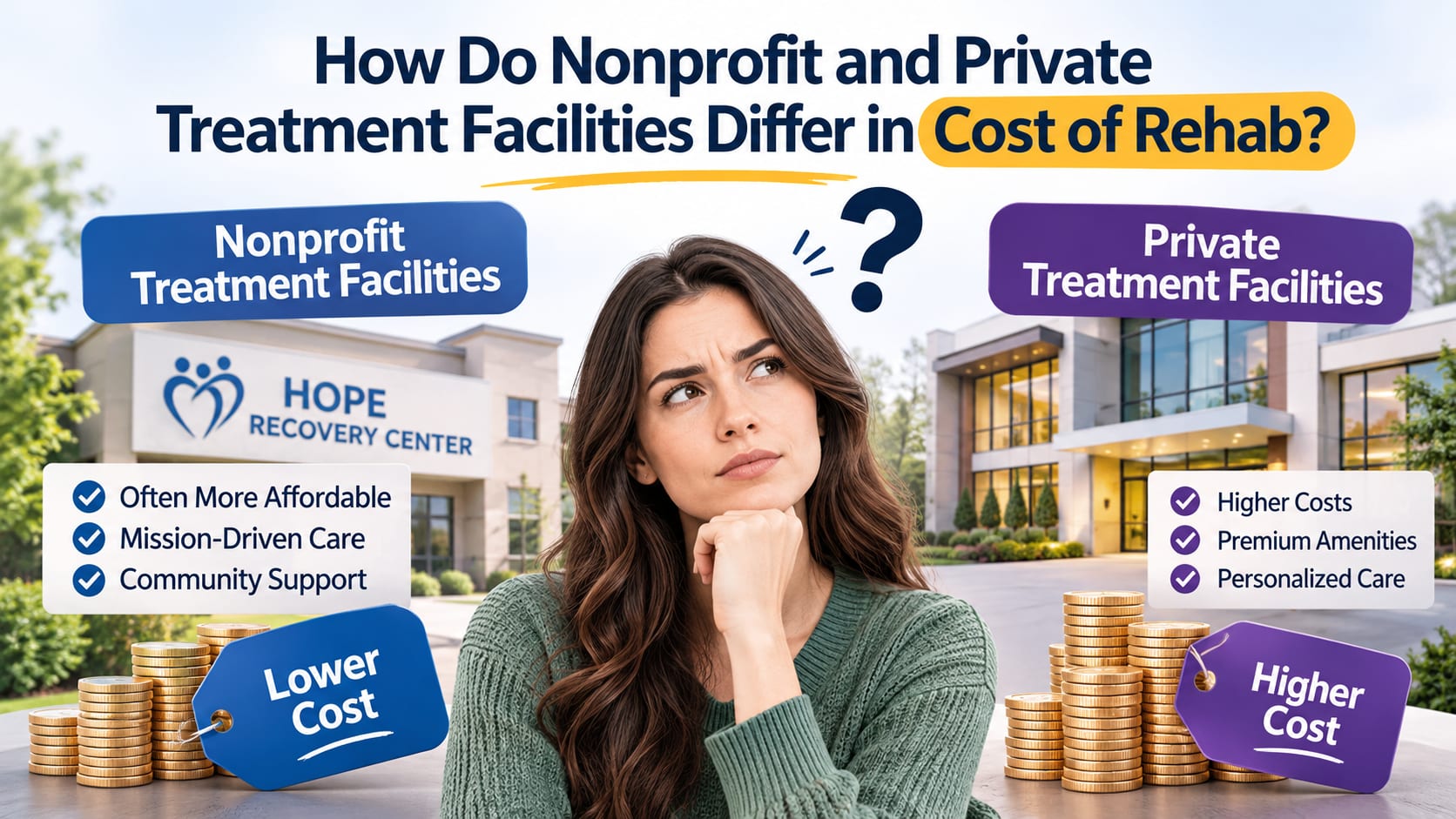
Choosing a rehab facility involves more than finding the right treatment program. The type of facility can also affect how much patients pay for care. Nonprofit and private treatment centers often have different funding sources, payment policies, and service options. Understanding these differences can help individuals and families compare facilities, plan their budgets, and find treatment that meets their needs
How Does Facility Ownership Affect the Cost of Rehab?
The cost of rehab often depends on how a facility receives funding and manages its services. Nonprofit centers may receive donations, grants, and government support to make treatment more accessible. Private facilities generally rely on patient fees, insurance payments, and other business revenue. However, ownership alone does not determine treatment quality or affordability. Patients should compare the actual services and fees before making a decision.
Cost of Rehab at Nonprofit vs. Private Treatment Facilities
Both types of facilities provide addiction treatment, but their pricing structures can differ. Here are five important differences to consider:
1. Funding Sources and Treatment Fees
Nonprofit facilities often receive financial support from charities, government programs, and community organizations. This support may allow them to offer reduced fees or financial assistance to eligible patients. Private centers usually depend more on treatment revenue, which can result in higher fees for certain programs.
2. Cost of Rehab and Financial Assistance
Nonprofit treatment centers may offer sliding-scale fees based on income, scholarships, or reduced-cost treatment options. These programs can help people who cannot afford standard treatment rates. Private facilities may also provide payment plans or financial assistance, but the availability and terms vary by provider.
3. Available Treatment Programs
Private facilities may offer different levels of care, including residential treatment, outpatient counseling, and specialized recovery programs. Some also provide additional amenities that increase the overall price. Nonprofit centers may focus more on essential treatment services and community-based recovery support. However, both types can offer residential and outpatient care.
4. Insurance Coverage and Payment Options
Both nonprofit and private facilities may accept health insurance, depending on their provider agreements and the patient's policy. Some nonprofit centers also work with government-funded healthcare programs. Private facilities may offer financing options or monthly payment plans. Patients should confirm coverage, deductibles, copayments, and out-of-pocket expenses before enrolling.
5. Overall Cost of Rehab and Long-Term Care
The total cost of rehab also depends on treatment duration and the level of support required. Some nonprofit programs provide affordable aftercare services or community recovery resources. Private facilities may offer structured follow-up programs at additional costs. Patients should compare the full treatment journey rather than focusing only on the initial admission fee.
Conclusion
Nonprofit and private treatment facilities can both provide valuable addiction recovery services, but their funding models and payment structures may differ. Nonprofit centers may offer more financial assistance, while private facilities may provide additional services and amenities at higher prices. The best choice depends on individual treatment needs, insurance coverage, and available financial resources. Comparing programs through Rehab Cost can help individuals understand treatment expenses and make informed decisions about affordable recovery care.