
How Does Electric Barrel Pump PVDF Improve Chemical Transfer Safety
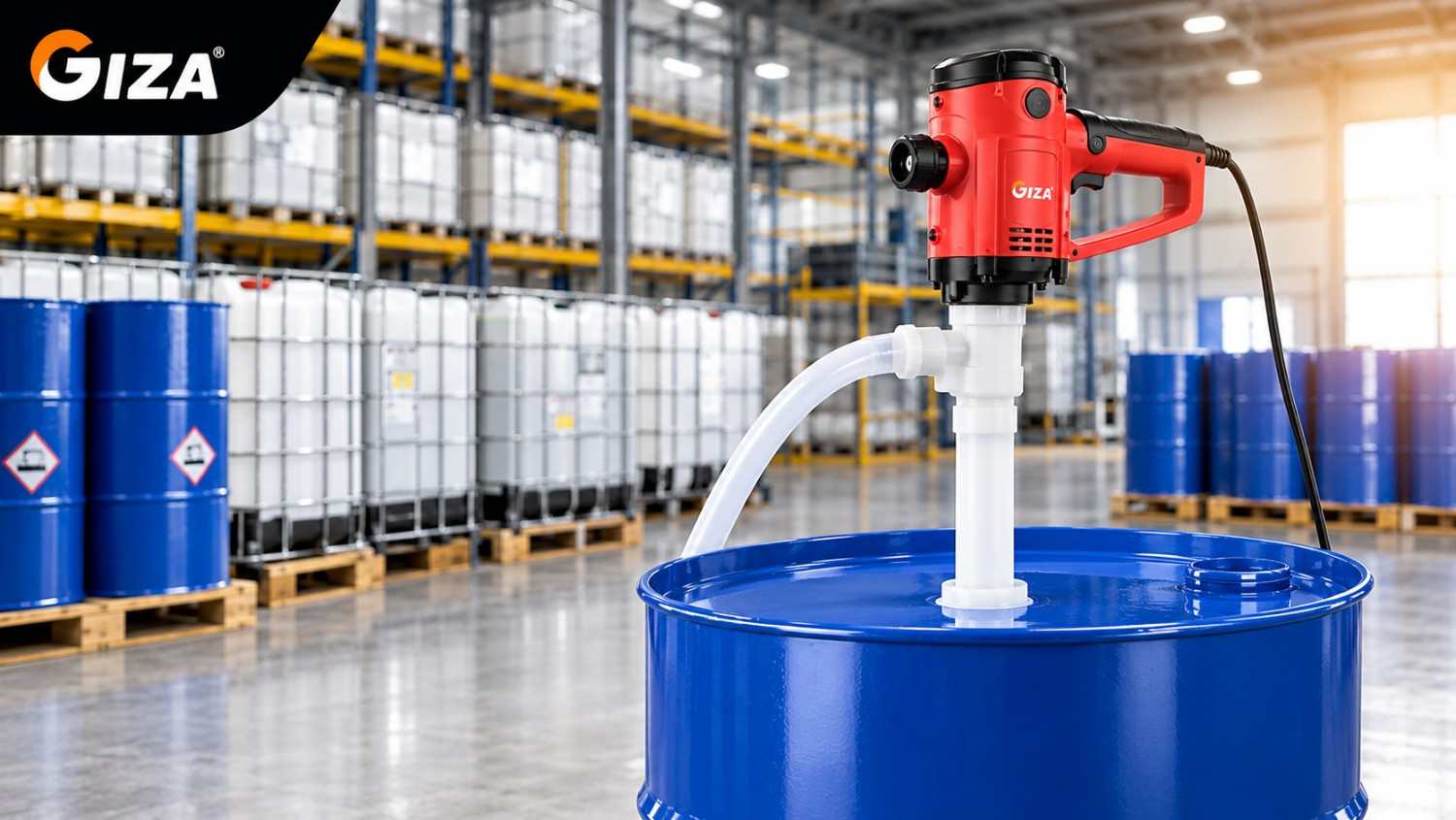
A chemical drum is being emptied, and the transfer hose suddenly slips. Within seconds, corrosive liquid reaches the floor, exposing workers to splashes and leaving the plant with a hazardous cleanup. Poor equipment selection is often behind such incidents. An Electric Barrel Pump PVDF reduces these risks by enabling controlled liquid transfer through chemically compatible pump components. Its corrosion-resistant construction makes it useful in chemical processing, pharmaceutical manufacturing, water treatment and metal finishing. But choosing PVDF alone does not make a pump safe. Chemical concentration, operating temperature, seals and motor suitability must also be checked. Electric Barrel Pump PVDF Specifications That Affect Safety An Electric Barrel Pump PVDF uses an electric motor to move liquids from drums, barrels or compatible storage containers through an immersion tube and discharge assembly. PVDF stands for polyvinylidene fluoride, a fluoropolymer known for resistance to many corrosive chemicals. Material Compatibility Matters More Than Pump Appearance PVDF offers resistance to numerous acids and industrial treatment chemicals. However, compatibility changes with chemical concentration and temperature. Published compatibility data, for example, evaluates hydrochloric acid at 15% and 32% concentrations across different temperatures. That's why the full chemical specification matters more than a general claim of acid resistance. Technical Details Procurement Teams Should Check Key specifications include: Pump tube: PVDF construction suited to the intended chemical. Motor: Suitable voltage, duty rating and electrical protection. Flow rate: Capacity matched to actual transfer requirements. Immersion length: Appropriate for the drum or container depth. Seals and wetted parts: Compatible with the liquid and operating temperature. Discharge assembly: Properly rated hose, connections and dispensing nozzle. Giza's published product information describes electric-motor operation, PVDF pump tubes and different immersion lengths, but exact model-specific ratings must be confirmed before ordering. Five Supplier Checks That Prevent Costly Purchasing Mistakes Buying a chemical transfer pump on price alone is a poor procurement decision. A cheaper unit can become expensive after one seal failure, rejected batch or unplanned shutdown. 1. Chemical compatibility documentation: Ask for resistance data covering the actual fluid, concentration and temperature. A bad supplier simply says, "Suitable for all chemicals." 2. Verified operating specifications: Request confirmed flow, head, motor and immersion-length data. "Heavy-duty motor" without measurable ratings is not a specification. 3. Leakage and performance testing: Check whether testing covers the assembled unit and what records are available. "We check everything" without an inspection procedure is a weak answer. 4. Spare parts and warranty: Establish which seals, impellers and motor components can be replaced. A supplier who cannot explain replacement-part availability leaves the maintenance team exposed. 5. Delivery and technical support: Confirm dispatch location, lead time and troubleshooting assistance. "Immediate dispatch" means little without stock confirmation. Most buyers underestimate the difficulty of matching the pump to the entire chemical-transfer system, rather than just selecting its body material. Six Ways PVDF Electric Barrel Pumps Improve Chemical Transfer Safety 1. Reduce Risks From Chemical Corrosion Compatible PVDF components resist attack from many aggressive chemicals. That reduces the likelihood of material deterioration, leakage and premature pump replacement. 2. Limit Manual Chemical Handling Motor-driven transfer reduces the need for workers to tilt heavy chemical drums or pour corrosive liquids manually. Fewer manual transfers mean fewer opportunities for splashing and accidental exposure. 3. Improve Control Over Liquid Movement With an appropriate motor, discharge hose and nozzle, operators can direct liquid into receiving containers more predictably. Controlled delivery helps reduce overfilling and material loss. 4. Protect Product Quality Chemically compatible wetted components reduce the risk of contamination caused by corrosion or material degradation. This matters particularly in chemical formulation and industrial treatment processes. 5. Reduce Unplanned Maintenance Costs Correctly selected materials can extend the useful life of wetted components. Fewer failures can mean lower replacement expenditure and less interruption to production. 6. Support Safer Repeated Transfers Portable electric barrel pumps are useful where multiple drums must be emptied during a shift. However, operators still need correct PPE, secure hose connections and suitable electrical protection. An ordinary electric motor must not be assumed safe for flammable liquids or potentially explosive atmospheres. Electric Barrel Pump PVDF Availability Across India Industrial buyers in Gujarat, Maharashtra, Uttar Pradesh, Haryana and other manufacturing regions can source chemical-transfer equipment through established Electric Barrel Pump PVDF Suppliers and distribution networks. Giza Pumps operates from Shapar, Rajkot, Gujarat, and lists nationwide supply, technical guidance and dealer support on its website. Businesses comparing Dealers should verify local stock, delivery arrangements and replacement-component availability. For high-volume requirements, Wholesalers can support bulk procurement and repeat orders. Location matters beyond freight charges. A plant in a chemical manufacturing cluster may need a replacement pump component urgently, making dispatch reliability more valuable than a small difference in purchase price. Procurement teams evaluating Electric Barrel Pump PVDF Manufacturers in India should therefore compare technical documentation, service arrangements and total operating cost—not merely quotations. About Giza Pumps: Testing Before Dispatch At Giza Pumps, we manufacture and supply industrial liquid-transfer equipment for applications involving chemicals and other process fluids. We understand that chemical handling demands more than corrosion-resistant construction. Our published quality process includes checking leakage, pressure consistency, motor performance and structural durability before dispatch. We recommend verifying fluid compatibility and operating conditions before finalising a pump configuration. We would rather clarify a specification before an order than leave a buyer dealing with an avoidable mismatch. We invite procurement managers, chemical plant operators and distributors to share their chemical name, concentration, operating temperature, required flow rate, drum size, discharge height, quantity and delivery location. At Giza Pumps, we can review these details to help identify a suitable configuration. We accept enquiries for single-unit and bulk requirements; final MOQ, stock availability and quotation response time must be confirmed directly. Conclusion An Electric Barrel Pump PVDF can improve chemical transfer safety by reducing manual handling, resisting compatible corrosive liquids and supporting controlled discharge. However, actual safety depends on selecting the correct materials, motor, seals and operating conditions. As chemical processing requirements become more demanding, documented compatibility and reliable technical support will remain central to purchasing decisions. Frequently Asked Questions 1. How does an Electric Barrel Pump PVDF prevent chemical accidents? It reduces manual pouring and enables controlled transfer through compatible components. However, it cannot eliminate accidents caused by incorrect installation, damaged hoses or poor operating practices. 2. Can PVDF barrel pumps transfer all types of chemicals? No. PVDF has broad chemical resistance, but it is not universally compatible. Check the exact concentration, temperature and every wetted component before approving a chemical application. 3. What should I ask Electric Barrel Pump PVDF Suppliers before ordering? Request chemical compatibility documentation, operating specifications, seal details, warranty terms and spare-parts availability. Ask for the model-specific technical datasheet rather than relying on marketing claims. 4. Do Electric Barrel Pump PVDF Dealers provide installation support? Some provide application guidance and operating instructions. However, commissioning, on-site assistance and training may vary between dealers and should be agreed upon before purchase. 5. Are Electric Barrel Pump PVDF Wholesalers suitable for bulk industrial orders? They can be suitable when they provide consistent specifications, confirmed stock and traceable product documentation. Bulk discounts should never replace quality verification. 6. How do Electric Barrel Pump PVDF Manufacturers in India determine pump suitability? Responsible manufacturers evaluate chemical properties, operating temperature, flow requirements, material compatibility and motor selection. A suitability recommendation should refer to the actual duty conditions. 7. Can a PVDF electric barrel pump operate continuously? That depends on its motor duty rating, liquid properties and manufacturer-approved operating limits. Continuous operation must not be assumed without a verified rating, and dry running should be avoided unless explicitly permitted.