
# Is Tattoo Removal Suitable for Small Tattoos?
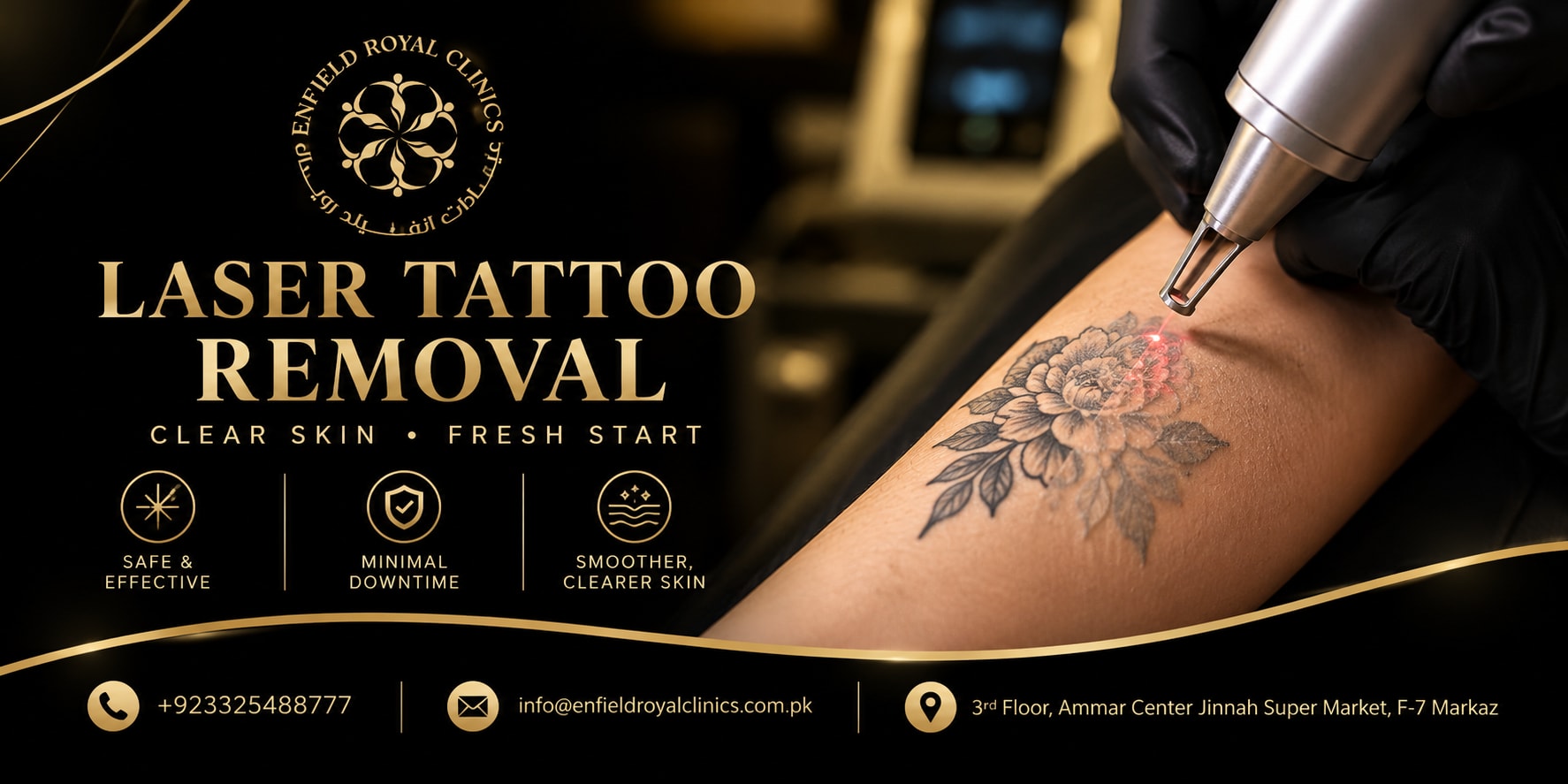
Small tattoos are often chosen for their simple designs, personal meanings, and discreet appearance. However, preferences can change over time, and some people may eventually decide that a small tattoo no longer suits their lifestyle or personal taste. Whether it is a tiny symbol, a name, a date, or a minimalist design, tattoo removal may be an option for those who want to fade or eliminate unwanted ink. People considering **<a href="https://www.enfieldroyalclinics.com.pk/laser-treatments/laser-tattoo-removal/">Tattoo Removal in Islamabad</a>** often wonder whether smaller tattoos are easier to remove than larger ones. In many cases, a small tattoo can be treated efficiently because the affected area is limited. However, its size alone does not determine how quickly or completely it will disappear. Ink color, depth, skin tone, tattoo age, and the removal method all influence the outcome. Understanding the available options, treatment process, and possible risks can help individuals decide whether tattoo removal is suitable for their particular design. ## **1. Can Small Tattoos Be Removed Successfully?** Yes, many small tattoos can be treated with professional tattoo removal methods. Laser tattoo removal is a commonly used option because it targets pigment beneath the skin without requiring the entire tattooed area to be surgically removed. During laser treatment, controlled pulses of light energy break tattoo ink into smaller particles. The body's natural processes gradually clear some of these particles, causing the design to fade over time. Several sessions may be necessary to achieve the desired result. Small tattoos can be convenient to treat because they cover less skin. A tiny symbol or simple design may take less time to treat during an individual session than a large, detailed tattoo. However, a shorter session does not necessarily mean fewer appointments or complete removal. Some small tattoos contain deeply placed ink or several colors that respond differently to laser energy. Others may have been applied with dense pigment, making them more challenging to remove despite their limited size. For this reason, individuals exploring Tattoo Removal in Islamabad should have their tattoos assessed before choosing a treatment plan. The aim is to achieve the best possible fading while protecting the surrounding skin. ## **2. What Factors Affect the Removal of a Small Tattoo?** Several factors influence how effectively a small tattoo responds to treatment. Understanding these details helps explain why two tattoos of similar size may produce different results. **Ink color:** Dark pigments, particularly black, often respond well to suitable laser wavelengths. Green, blue, yellow, and other colored pigments may require different approaches, and some colors can be difficult to remove completely. **Ink depth and density:** Tattoos with dense pigment or ink deposited at different depths may require additional sessions. A small tattoo with heavy shading can be more challenging than a simple outline of the same size. **Age of the tattoo:** Older tattoos may have already faded naturally, which can sometimes make further removal easier. However, age alone does not guarantee a better response. **Skin tone and pigmentation:** The person's natural skin tone affects the selection of suitable laser settings. Careful treatment planning is important to reduce the risk of burns and unwanted light or dark marks. **Location on the body:** Tattoos on different body areas may respond at different rates. Circulation, skin characteristics, and the body's ability to clear fragmented pigment can influence the overall process. **Individual healing response:** The body's natural processes help remove the pigment fragments after laser treatment. Individual differences can affect how quickly fading becomes noticeable. These factors should be evaluated together rather than relying only on the tattoo's dimensions. A small tattoo may be relatively straightforward to treat, but its specific characteristics determine the most suitable approach. ## **3. Which Tattoo Removal Methods Are Suitable for Small Designs?** The most appropriate removal method depends on the tattoo's appearance, location, and the individual's skin characteristics. A professional assessment helps determine which option offers a reasonable balance between results and safety. ### **Laser Tattoo Removal** Laser treatment is a common choice for small tattoos because it targets the ink pigment beneath the skin. The laser breaks the pigment into smaller particles, which are gradually cleared by the body's natural processes. The treatment usually takes a relatively short time when the tattoo covers a small area. However, multiple sessions are often required, with sufficient time between appointments for healing and pigment clearance. ### **Surgical Removal** For selected very small tattoos, surgical excision may be considered. This procedure involves removing the tattooed skin and closing the wound. It can remove the tattooed area directly, but it leaves a scar and is not appropriate for everyone. The size and location of the tattoo, skin elasticity, and the expected scar all influence whether this option is suitable. A qualified medical professional should explain the benefits and limitations before the procedure. ### **Other Techniques** Some alternative procedures may be considered in specific circumstances, but methods that aggressively damage the skin can increase the risk of infection, uneven pigmentation, and permanent scarring. Tattoo removal creams and home remedies generally cannot reliably remove ink deposited deep within the skin. Abrasive scrubbing, chemical applications, or attempts to cut away the tattoo should be avoided because they can cause lasting damage. ## **4. How Many Sessions Does a Small Tattoo Require?** A small tattoo may require fewer treatment sessions than a large, complex design, but there is no universal number that applies to everyone. The required treatment course depends on the pigment, ink depth, tattoo age, skin response, and removal method. Some small tattoos begin to show visible fading after the first few sessions. Others require a longer course, especially when they contain multiple colors or densely packed ink. In some cases, a faint outline or small amount of pigment may remain even after several treatments. Laser sessions are generally spaced several weeks apart. This interval allows the skin to recover and gives the body time to clear fragmented pigment. Scheduling sessions too close together may increase irritation and complications without improving the final result. Patients should also understand that the tattoo may not disappear immediately after a session. Fading continues gradually during the recovery period, so the final appearance cannot always be judged straight after treatment. When planning Tattoo Removal in Islamabad, it is helpful to discuss the likely treatment schedule, expected fading, and possible limitations before beginning. A realistic plan can reduce disappointment and encourage safer treatment decisions. ## **5. What Should Patients Expect During Recovery?** Recovery after tattoo removal varies from person to person. Even a small treatment area can experience temporary redness, swelling, tenderness, or sensitivity. Some individuals may also develop small blisters or crusting as the skin heals. Following the recommended aftercare instructions helps protect the treated area and reduce the chance of complications. General precautions may include: - Keeping the treated skin clean and handling it gently. - Using only the dressing or skin-care products recommended for recovery. - Avoiding picking at scabs or blisters, as this can increase the risk of scarring. - Protecting the area from direct sunlight and using suitable sun protection once the skin has healed sufficiently. - Avoiding harsh exfoliants, irritating chemicals, and unverified home remedies. - Allowing the skin to heal fully before another session. The treated area should be monitored throughout recovery. Increasing pain, spreading redness, pus, fever, or worsening swelling may indicate a complication and should receive prompt medical attention. People with a history of raised scars, unusual skin reactions, or problems with wound healing should discuss these concerns before treatment. Such information can help guide the choice of method and reduce avoidable risks. ## **6. Is Tattoo Removal Suitable for Every Small Tattoo?** Although many small tattoos can be treated, removal is not automatically the best choice for every design or every person. Suitability depends on the tattoo itself, the individual's skin health, medical history, and expectations. A small tattoo with dark ink and simple lines may respond differently from a tiny design containing several bright colors. Similarly, someone who wants complete removal may need a different discussion from someone who only wants the tattoo to become less noticeable. A professional assessment is particularly important if the tattoo is raised, painful, itchy, or showing unusual changes. These symptoms should be evaluated before cosmetic treatment is considered. Certain medications, active skin conditions, pregnancy-related considerations, and a history of scarring may also affect the timing or suitability of treatment. Individuals should ask about the likely results, possible side effects, number of sessions, and whether residual pigment or scarring may occur. No responsible treatment plan can guarantee that every tattoo will disappear completely without leaving a trace. For those researching Tattoo Removal in Islamabad, the best approach is to make a decision based on an individualized assessment rather than assuming that a smaller design will always be easier to remove. ## **7. How Can Patients Choose a Safe Tattoo Removal Approach?** Choosing a suitable treatment setting is an important part of the removal process. Patients should look for an appropriately trained professional who can assess their skin, explain the available methods, and use equipment suitable for the tattoo being treated. Before starting, patients should ask how the procedure will be performed, what protective measures will be used, and how potential complications will be managed. They should also receive clear aftercare instructions and understand the importance of allowing sufficient time between sessions. The decision should be based on safety and realistic expectations rather than promises of instant results. A small tattoo may require less treatment time during each appointment, but gradual fading and careful healing remain essential. Ultimately, tattoo removal can be a suitable option for many people with small unwanted designs. With an appropriate method, professional assessment, and consistent aftercare, individuals can work toward their desired result while reducing avoidable risks. ## **Frequently Asked Questions** ### **1. Is a small tattoo easier to remove than a large tattoo?** A small tattoo usually requires less treatment time per session because the treated area is smaller. However, the number of sessions and final results depend on ink color, depth, density, skin tone, and the body's response to treatment. ### **2. Can a small tattoo be removed in one session?** Complete removal in one session is uncommon with laser treatment. Several sessions are often needed to achieve substantial fading, and some tattoos may retain a faint outline or residual pigment. ### **3. Does tattoo removal leave a scar on small tattoos?** Scarring is possible but is not inevitable. The risk depends on the removal method, skin response, treatment technique, and aftercare. Surgical removal intentionally creates a wound and usually leaves a scar, while laser treatment aims to reduce pigment with less disruption to surrounding skin. ### **4. How long does it take to remove a small tattoo?** The process can take several months or longer because sessions are spaced apart to allow healing and gradual pigment clearance. The total timeline depends on the tattoo's characteristics, the number of sessions required, and the individual's recovery. Tattoo Removal in Islamabad