
Thai Red Curry Paste: A Simple Guide to Bold Flavours, Easy Cooking, and Delicious Meals
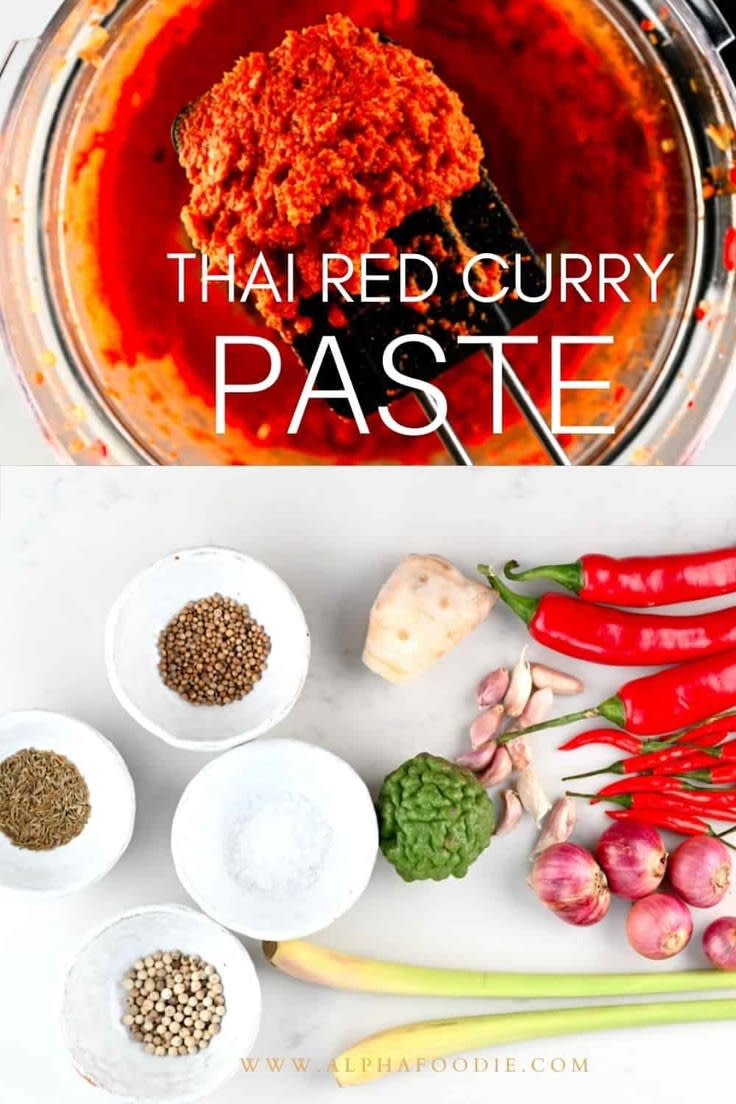
Thai food has a special way of bringing together spicy, sweet, savoury, and aromatic flavours in one dish. If you have ever enjoyed a creamy Thai curry at a restaurant and wondered how to recreate that taste at home, the secret often starts with the right curry paste. Thai red curry paste is one of the most versatile ingredients in Thai cooking. It adds colour, aroma, and a rich combination of chilli, herbs, and spices to everyday meals. Whether you are preparing a quick weeknight dinner, cooking for your family, or experimenting with Asian-inspired recipes, a good curry paste can make the process much easier. The best part? You do not need to be an experienced cook to use it. With a few basic ingredients and some simple cooking techniques, you can prepare flavourful meals without spending hours in the kitchen. What Is Thai Red Curry Paste? Thai red curry paste is a traditional Thai cooking ingredient made by combining red chillies with aromatic herbs, roots, and seasonings. Depending on the recipe, it may contain ingredients such as lemongrass, galangal, garlic, shallots, coriander seeds, cumin, and shrimp paste. These ingredients are blended into a thick paste that forms the flavour base for many Thai dishes. Unlike curry powder, which is generally a dry mixture of ground spices, red curry paste contains fresh or rehydrated ingredients that contribute both fragrance and depth. It is usually cooked in a little oil or coconut cream before other ingredients are added, helping release its aroma. The exact flavour varies between brands and homemade recipes. Some pastes are quite hot, while others offer a milder balance of chilli, herbs, and savoury notes. Why Is Thai Red Curry Paste So Popular? One reason this ingredient is popular is its convenience. Preparing traditional curry from scratch can involve buying several herbs and spices, some of which may not be easy to find locally. A ready-made paste brings many of those flavours together in one product. Here are a few reasons home cooks enjoy using it: Rich flavour: Chilli, herbs, and spices create a complex base without requiring numerous separate ingredients. Easy preparation: A spoonful or two can give a simple curry a distinctive Thai-inspired flavour. Cooking flexibility: It works with vegetables, tofu, chicken, seafood, and other suitable ingredients. Adjustable heat: You can start with a small amount and add more according to your preference. Useful for meal planning: One jar can help you prepare different meals throughout the week. However, not every paste tastes the same. Check the ingredient list, especially if you have dietary restrictions or prefer a vegetarian or vegan product. How to Make Thai Red Curry at Home A homemade Thai-style red curry is a practical way to understand how this ingredient works. The following recipe is simple enough for a regular weeknight meal. Ingredients 1–2 tablespoons Thai red curry paste 400 ml coconut milk 250–300 g chicken, tofu, or mixed vegetables 1 tablespoon neutral cooking oil, if needed 1 small onion, sliced 1 cup mixed vegetables, such as bell peppers, carrots, or green beans 1 tablespoon soy sauce or fish sauce, according to preference 1 teaspoon sugar, optional Fresh basil or coriander for garnish Cooked jasmine rice, to serve Cooking Method Step 1: Heat the paste. Place a pan over medium heat and add a little oil. Add the curry paste and stir for about 30–60 seconds, taking care not to burn it. Step 2: Add coconut milk. Pour in a small amount of coconut milk and stir until the paste is evenly mixed. This helps distribute the flavours throughout the sauce. Step 3: Add your main ingredients. Add the chicken, tofu, or vegetables. Stir well so everything is coated with the curry mixture. Step 4: Simmer gently. Add the remaining coconut milk and let the curry simmer until the ingredients are cooked through. Cooking time will depend on the ingredients and their size. Step 5: Adjust the flavour. Add soy sauce or fish sauce for savouriness. If the curry tastes too spicy or sharp, a little sugar can help balance it. Step 6: Serve and enjoy. Finish with fresh herbs and serve hot with jasmine rice. For chicken, make sure it reaches a safe internal temperature of 74°C (165°F). If you are using tofu and vegetables, simmer them until heated through and tender to your liking. Thai Red Curry Paste vs. Thai Yellow Curry Paste If you enjoy Thai food, you have probably noticed that different curries have different colours, aromas, and levels of heat. Thai yellow curry paste is another popular option, but it offers a different flavour profile. Red curry paste typically gets much of its colour from red chillies and often delivers a bold, chilli-forward taste. Yellow curry paste commonly includes turmeric, which contributes its golden colour, along with spices such as cumin and coriander. Depending on the recipe, it may also contain ginger, lemongrass, garlic, or other aromatics. Here are the main differences to keep in mind: Flavour: Red curry paste is generally bold and chilli-forward, while yellow curry paste often has a warm, earthy, spice-forward flavour. Colour: Red paste usually ranges from red to deep orange, whereas yellow paste has a golden colour. Heat level: Red paste is often medium to hot, while yellow paste is frequently milder. However, the actual heat depends on the recipe and brand. Common pairings: Red paste works well with chicken, tofu, seafood, and vegetables. Yellow paste is often used with potatoes, chicken, chickpeas, and vegetable dishes. Best uses: Red paste is a popular choice for coconut curries, soups, and stir-fries. Yellow paste works well in creamy curries, soups, and gently spiced meals. These differences are general rather than fixed rules. Some yellow pastes are spicy, and some red pastes are relatively mild. If you prefer a curry with noticeable chilli flavour, red paste is a good starting point. If you enjoy warm spices and a more earthy flavour, yellow paste may suit you better. You can also keep both varieties in your kitchen and choose according to the dish you want to prepare. Creative Ways to Use Thai Red Curry Paste Curry paste is not limited to traditional coconut-based curries. With a little creativity, you can use it in several everyday recipes. 1. Flavourful Vegetable Stir-Fry Mix a small amount of paste with oil, then add your favourite vegetables. A splash of soy sauce and a little water can help create a quick, flavourful coating. Serve with rice or noodles. 2. Thai-Inspired Soup Stir the paste into vegetable or chicken stock, add coconut milk if desired, and include mushrooms, vegetables, tofu, or cooked chicken. Finish with lime juice for freshness. 3. Tofu or Chicken Marinade Combine a small amount of paste with oil and a suitable seasoning to coat tofu or chicken before cooking. Because paste can contain salt and chilli, taste and adjust the other seasonings carefully. 4. Creamy Noodles Add a little paste to coconut milk or another suitable sauce base. Toss with cooked noodles, vegetables, and your preferred protein for a quick meal. 5. Flavourful Rice Dishes Cook a small quantity of paste with onion and vegetables before adding cooked rice. Keep the amount modest so the chilli and aromatics complement rather than overpower the other ingredients. The key is to begin with a small quantity. You can always add more, but reducing the heat after adding too much paste can be difficult. How to Choose a Good Curry Paste When buying a ready-made paste, look beyond the packaging and check what is actually inside. Read the ingredients: Look for a blend that suits your preferred flavour and cooking style. Check the heat level: If you are sensitive to chilli, choose a milder product or use less. Check dietary suitability: Traditional recipes may contain shrimp paste or other animal-derived ingredients. Vegetarian, vegan, and allergy-friendly options are not interchangeable, so read the label carefully. Compare the salt content: Some pastes contain substantial amounts of salt, so you may need less soy sauce or fish sauce in your recipe. Follow storage instructions: Refrigerate opened products as directed on the label and use a clean utensil each time. A more expensive product is not automatically better. The right choice depends on the ingredients, flavour, dietary requirements, and the dishes you plan to make. Common Mistakes to Avoid Even a simple curry can taste disappointing if a few details are overlooked. Adding too much paste at once: Start small, taste the sauce, and increase the quantity gradually. Burning the paste: Use medium heat and stir frequently to prevent the aromatics from scorching. Skipping the balance of flavours: Salt, sweetness, chilli, and acidity all affect the final result. A little lime juice added near the end can brighten the dish. Using too much liquid: Add coconut milk or stock gradually if you want a thicker sauce. Ignoring the label: Ingredients and spice levels differ between brands, so follow the package instructions when available. A little patience makes a noticeable difference. Let the flavours develop, taste as you cook, and make adjustments based on the ingredients you are using. Frequently Asked Questions 1. Is Thai red curry paste very spicy? It can be, but the heat level depends on the chilli variety, recipe, and brand. Start with a small amount and add more gradually. Coconut milk can soften the perception of heat, although it will not remove all the chilli. 2. Can I use Thai red curry paste without coconut milk? Yes. You can use vegetable stock, chicken stock, or another suitable liquid, depending on the recipe. The result will usually be less creamy and may have a different flavour from a traditional coconut-based curry. 3. What is the difference between Thai red and Thai yellow curry paste? Red curry paste is generally more chilli-forward, while yellow curry paste often has a warmer, earthier flavour from ingredients such as turmeric and cumin. The exact taste and heat level vary by brand and recipe. 4. Is Thai red curry paste vegetarian or vegan? Not always. Some traditional versions contain shrimp paste or fish-based ingredients. If you follow a vegetarian or vegan diet, choose a product specifically labelled for your needs and check the ingredient list. 5. How should I store Thai red curry paste after opening? Follow the manufacturer's storage instructions. Many packaged pastes need refrigeration after opening. Keep the container tightly sealed, use clean utensils, and observe the product's stated use-by guidance. thai red curry paste