
The Ultimate San Francisco Trade Show Exhibitor Guide: From Booth Design to Show-Day Setup
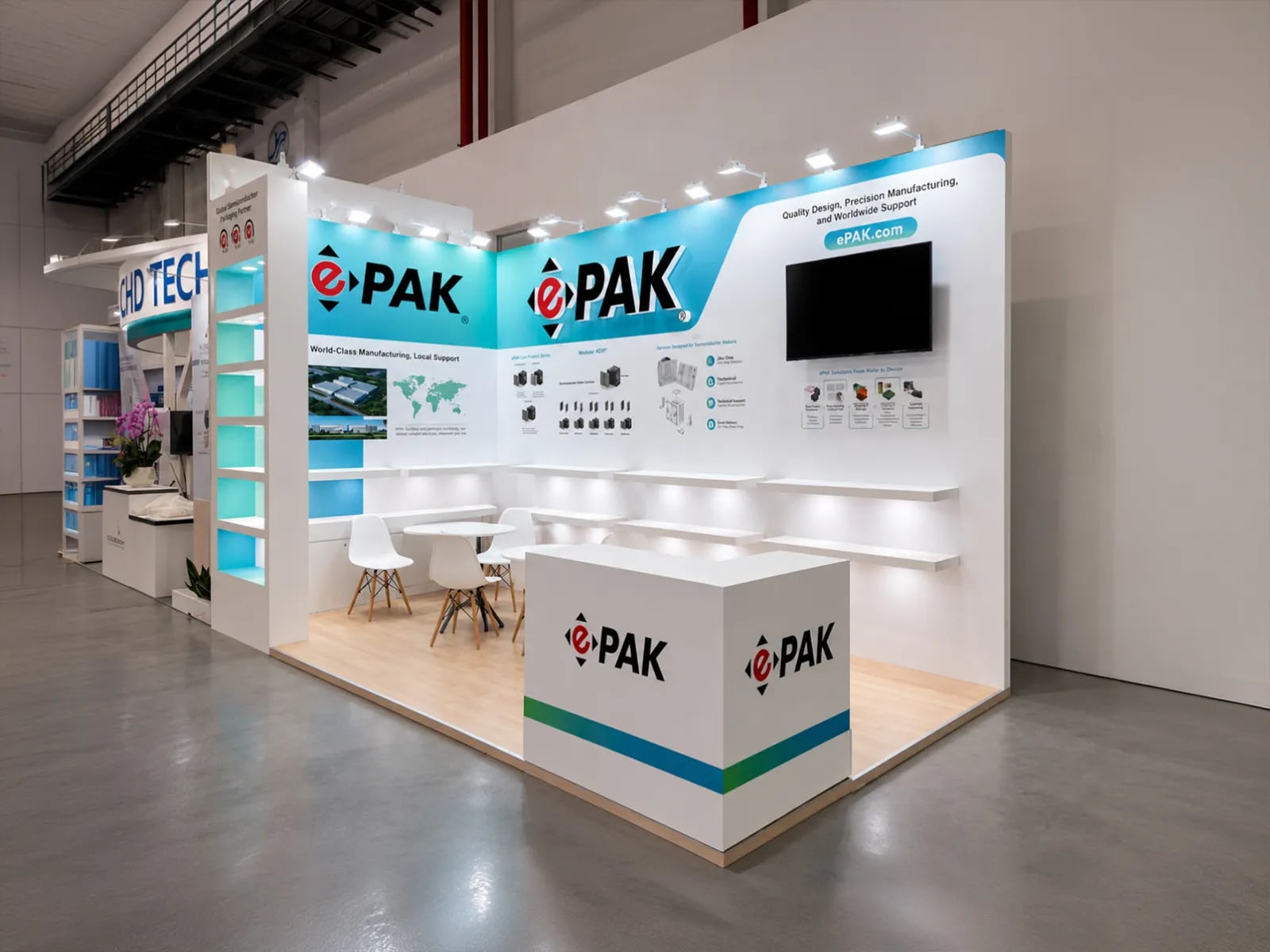
Exhibiting at a San Francisco trade show takes more than a nice booth. You need the right size, clear venue knowledge, strong graphics, working tech, and smooth freight.Exhibiting at a San Francisco trade show takes more than a nice booth. You need the right size, clear venue knowledge, strong graphics, working tech, and smooth freight. For most exhibitors, Moscone Center is the main venue. The campus has more than 790,000 square feet of exhibit space. Moscone North and South join to form over 502,000 square feet. Moscone West adds more than 290,000 across three levels. That size gives brands room to shine, but small details matter. This guide covers each step, from the first booth idea to the final follow-up. If you are comparing Trade Show Booth Builders in USA , this Moscone Center Guide will help.
Chapter 1: Start With Your Trade Show Goals
Before you call a booth builder, decide what the exhibit must do. A booth built for leads looks different from one built for meetings or launches. Your goals shape every choice in this trade show marketing guide. Set targets you can measure, like qualified leads, booked meetings, or demos. Think about who will walk the floor and what will make them stop. Give each visitor a clear path from hello to follow-up. Do not confuse traffic with results. A packed booth is not always a winning booth. A few strong talks beat a hundred quick chats.
Chapter 2: Choose the Right Booth Size and Location
Do not pick the biggest space just because your budget allows it. Size should match your goals, staff, products, and meeting plans. Moscone North and South can fit more than 2,300 standard 10x10 booths. Halls ABC offer over 250,000 square feet with no columns and 37-foot ceilings. When you look at San Francisco exhibit Rentals, keep these common sizes in mind:
- 10x10: Best for small teams and focused campaigns.
- 10x20: Good for lead capture and simple demos.
- 20x20: Fits several products, meetings, and hospitality.
- 20x30 and larger: Built for big campaigns and visitor experiences.
A strong 10x10 and 10x20 booth design keeps the message simple and the layout open. Study the floor plan before you decide. Moscone posts separate plans for North, South, and West. Check sizes, floor conditions, and structure details before you start work. Look at traffic too. Check entrances, main aisles, stages, and nearby exhibitors. Visitors should see your message before they reach your booth.
Chapter 3: Design the Booth Around Visitor Movement
An attendee should understand your booth in a few seconds. They should know where to enter, what to look at, and where to talk to your team. Moscone's Fire Marshal rules require at least 10 feet between rows of booths. Displays cannot block aisles or emergency exits. Work with a Trade Show Booth Design Company in San Francisco that knows these rules. Keep the front of your booth open. Do not build a wall of furniture between you and the aisle. Create simple zones for branding, demos, casual talks, private meetings, and storage. Pull people in near the aisle, then move good prospects to a quieter spot. Leave room to breathe. Open space feels more premium.
Chapter 4: Build Strong Graphics and Branding
Graphics must work from far away. Visitors walk, chat, and check phones. You get a few seconds of attention at best. Use one main headline and short supporting text. A booth wall is not a website. Make your company name easy to spot. Large product photos, customer results, and simple diagrams work well. Tall graphics and hanging signs help you stand out, but complex structures may need venue approval.
Chapter 5: Plan Lighting, AV, and Demonstrations
Technology should help visitors, not just make the booth look busy. One strong demo often beats several big screens. Pick one hero attraction, such as a live demo, a product display, or an expert desk. Make it easy to join without a long explanation. Keep digital content short. Use light to guide the eye toward your logo, hero product, or key graphic. Do not light every surface the same way.
Chapter 6: Plan Internet and Connectivity Early
Many exhibits need steady internet for software demos, cloud tools, lead scanners, and meeting apps. Moscone Facility Services is the only provider of wired and wireless internet and phone service at the center. For larger events, start talks three to four months before move-in. Count every device, including laptops, tablets, and displays. Know your bandwidth needs. A lead form needs far less than a live cloud demo. Never rely on free attendee Wi-Fi. It is unsupported and limited to 1 Mbps. Always keep a backup, such as an offline demo.
Chapter 7: Understand Venue Rules Before Production
A booth can look great in a render and still break the rules. Moscone sets rules for freight, union work, electrical service, outside contractors, safety permits, and two-story structures. Review height limits, aisle space, and rigging rules early. Moscone requires final floor plans at least 60 days before move-in. Any change must be sent in again for approval. Do not treat approvals as a show-week job.
Chapter 8: Plan Freight and Shipping Logistics
Shipping is easy to underestimate. Managing trade show booth rental in the USA orders often comes down to good logistics. Show freight cannot reach Moscone before the first contracted move-in day. The venue offers no shipping or storage. Send advance freight to the General Service Contractor's warehouse. That contractor also runs the loading docks. Label every piece with your company name, booth number, event name, and piece count. Keep tracking details with your team. Plan the return shipment early.
Chapter 9: Understand San Francisco Labor and Installation
San Francisco has strict union rules. Moscone lists labor categories for freight, installation, electrical, AV, telecom, rigging, and plumbing. Do not assume you can set up the booth yourself. Know who handles each task, from structure and graphics to power and teardown. Ask about outside contractor rules early. A local provider with recent Moscone experience can head off many problems.
Chapter 10: Prepare for Show-Day Operations
Inspect the booth every morning. Check graphics, lights, furniture, AV, power, internet, and lead scanners. Keep boxes, bags, and cables out of sight. Brief your staff daily on the message and who handles tech questions. A trade show exhibitor checklist in your briefing helps your booth manager catch small problems early. Track the number of demos, meetings, and qualified leads each day. Give each person a role. Greeters start chats. Product experts run demos. Sales reps go deeper. A lead coordinator captures the data. Do not let the whole team huddle in one corner.
Chapter 11: Budget Planning for a San Francisco Exhibit
Your budget should go well beyond the booth quote. Ask about every line item. Is the booth a rental or a custom build? Are graphics included? Does the AV quote cover screens and audio? Also plan for power, internet, freight, and handling fees. Add install crews, staff travel, and giveaways. The cheapest quote often costs the most once required extras appear.
Chapter 12: Common San Francisco Exhibitor Mistakes to Avoid
- Designing before checking the floor plan. A great design can fail if a column blocks it. Start with the current venue plan.
- Overloading the booth with furniture. Crowded booths feel small. Keep only what supports a real activity.
- Relying on attendee Wi-Fi. Weak signals hurt demos. Order exhibitor internet and keep an offline backup.
- Ignoring freight steps. A late shipment delays setup. Match your schedule with the contractor early.
- Training staff too late. A polished booth cannot save an unprepared team. Practice talks and demos first.
- Treating follow-up as an afterthought. Leads lose value fast. Assign owners before the show opens.
Final Thoughts
A great exhibit comes together in stages. Set your goals, pick a size that fits them, and design an open booth with your best message visible from the aisle. Then handle the details. Moscone's rules cover floor plans, freight, power, internet, contractors, and unions. Freight cannot arrive early, and the General Service Contractor manages all dock work. A good booth earns attention. A solid plan turns it into revenue. Qualify, assign, and contact every lead after the show.