
What Is the Role of Akshat Rice in Chhath Puja 2026?
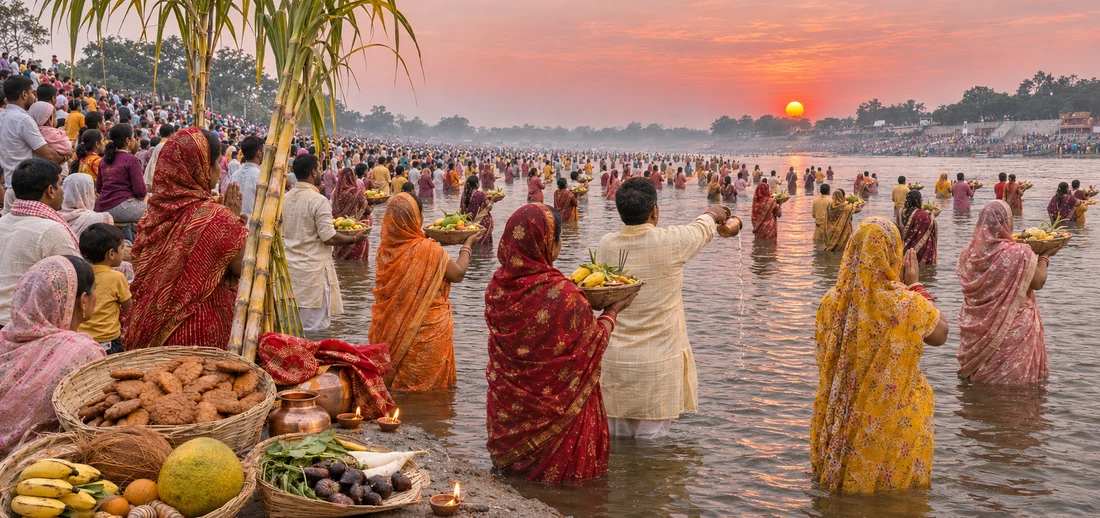
Akshat rice, also known as unbroken rice, is a traditional item used in Hindu worship to represent completeness, purity and auspiciousness. During Chhath Puja 2026, akshat appears in commonly published puja samagri lists and may be used by devotees as part of their worship and offerings to Surya Dev and Chhathi Maiya. At Sadhana Shop, we believe understanding the meaning of traditional puja ingredients makes festival preparations more meaningful. This guide explains what akshat rice is, why whole grains are preferred, how it may be used during Chhath Puja and how its role differs from the rice used to prepare prasad. By Sadhana Shop Editorial Team Published: November 15, 2026 Last Updated: November 15, 2026 What Is the Role of Akshat Rice in Chhath Puja 2026? Akshat rice is made from whole, unbroken rice grains used in Hindu religious worship. During Chhath Puja 2026, it may be included among the puja materials used while offering prayers and performing traditional rituals. The word Akshat is commonly understood to mean whole or unbroken. Because the grains remain intact, they are traditionally associated with completeness, prosperity and auspiciousness. Akshat is included in several Chhath Puja samagri lists, particularly among the materials arranged for Sandhya Arghya. However, the exact use of rice and other puja materials can vary between families and regional traditions. Why Is Akshat Rice Considered Auspicious in Hindu Worship? Akshat has a special place in many Hindu puja practices because whole rice grains symbolise completeness and abundance. Symbol of Wholeness and Completeness The unbroken form of the rice represents something whole and undivided. Devotees traditionally use it to express prayers for completeness, well-being and lasting blessings. Symbol of Prosperity and Abundance Rice is an important food grain in many Indian households. Offering it during worship can represent gratitude for nourishment, agricultural abundance and the resources that support family life. Symbol of Devotion Akshat is used in different Hindu rituals as a simple devotional offering. Its presence allows worshippers to express respect and faith through a traditional puja ingredient. Why Is Unbroken Rice Used as Akshat in Chhath Puja? Unbroken rice grains are preferred for akshat because the word itself refers to something whole or undamaged. In traditional Hindu worship, the intact grain represents completeness and an offering made with devotion. Akshat vs. Ordinary Rice: What Is the Difference? Although both are rice, akshat and ordinary cooking rice can have different purposes during religious observances. Akshat rice: This generally refers to whole, unbroken rice grains selected for ritual use. Depending on the family tradition, the grains may be offered plain or mixed with turmeric or vermilion. Ordinary rice: Rice used for cooking may be broken, polished differently or selected according to a recipe. During Chhath, rice is also used to prepare traditional food and prasad. Why Should Broken Grains Be Avoided When Preparing Akshat? Traditional practice gives preference to whole grains because they represent completeness. Devotees who prepare akshat generally remove visibly broken or damaged grains before using them. How Is Akshat Rice Used During Chhath Puja 2026? Akshat may be included in the traditional puja materials arranged for Chhath worship. Its precise use depends on the household's customary method of prayer. 1. As Part of the Puja Samagri Akshat can be arranged with other traditional materials such as turmeric, sindoor, flowers, incense and diyas. These items are prepared before devotees begin their prayers. 2. During Traditional Offerings Some families use akshat as part of their customary devotional offerings. The grains may be offered during prayers according to the family's ritual method. 3. Alongside Other Chhath Puja Items Akshat may be included with the materials carried to the ghat for Sandhya Arghya. It is one of several items used in traditional worship, alongside fruits, sugarcane, flowers, thekua and other offerings. 4. As an Expression of Gratitude Rice is a staple food for many communities. Offering it during worship can express gratitude for food, nourishment and the natural resources that sustain life. How Should You Prepare Akshat Rice for Chhath Puja? Preparing akshat is generally simple. The important point is to select clean, whole grains and follow the method customary in your family. Here are some basic preparation steps: Select whole rice grains: Choose clean rice without visible cracks or broken pieces. Remove impurities: Separate dust, unwanted particles and damaged grains. Keep the rice dry: Use dry grains for the traditional akshat preparation. Follow your family custom: Some traditions use plain white rice, while others mix it with a little turmeric or vermilion. Store it carefully: Keep the prepared rice in a clean, dry bowl or container until the puja. Arrange it with other samagri: Place the akshat alongside the other materials required for your family's Chhath observance. Sadhana Shop encourages devotees to prepare puja materials thoughtfully and follow the ritual practices they have learned from their family elders or religious guides. What Other Rice Items Are Used During Chhath Puja 2026? Rice has more than one role in Chhath Puja. Akshat is used as a ritual material, while other forms of rice are used in food preparation and prasad. Akshat Rice for Worship Akshat refers to whole, unbroken grains used in devotional rituals. It may be included in the puja samagri arranged for Chhath. Arwa Rice for Kharna Prasad Arwa rice is commonly used to prepare rice kheer or rasiao for Kharna. The preparation may include rice, milk and jaggery, depending on the family's recipe. Rice Flour for Traditional Prasad Rice flour is used by some families to prepare traditional sweets and offerings. Recipes and ingredients may differ across regions. Why Should Akshat and Kharna Rice Not Be Confused? Akshat is primarily a ritual offering made from whole grains, whereas rice used for Kharna is an ingredient in a cooked food preparation. Both are connected with the festival, but their purposes are different. When Is Akshat Rice Used During Chhath Puja 2026? Akshat may be arranged with the puja materials used during Chhath, particularly for the evening worship. The exact timing and method depend on the household's customs. The four-day Chhath observance in 2026 falls from November 13 to November 16. Day 1: Nahay Khay – November 13, 2026 Nahay Khay marks the beginning of Chhath Puja. Devotees clean their homes, take a ritual bath and prepare traditional vegetarian food. Day 2: Kharna – November 14, 2026 On Kharna, devotees observe a daytime fast and prepare prasad in the evening. Traditional preparations include jaggery kheer and roti in many households. Day 3: Sandhya Arghya – November 15, 2026 Sandhya Arghya is the evening offering to the setting Sun. Devotees carry their offerings to a river, pond or another suitable water body. Akshat may be included among the puja materials arranged for this observance. Day 4: Usha Arghya – November 16, 2026 Usha Arghya is offered to the rising Sun on the final morning of the festival. Devotees complete the main observance according to their family traditions. What Are the Other Important Items Used Alongside Akshat in Chhath Puja? Akshat is only one part of the wider collection of materials used during Chhath. Families prepare different offerings according to their regional customs and the requirements of each ritual. Commonly used items may include: Thekua: A traditional sweet prepared using wheat flour and jaggery or sugar. Fruits: Bananas, coconuts, seasonal fruits and other customary offerings. Sugarcane: Whole stalks are included in many Chhath arrangements. Flowers: Used in devotional arrangements and prayers. Turmeric and sindoor: Traditional materials included in many puja preparations. Paan and supari: Used by some families as part of their customary offerings. Earthen diyas: Lamps used during evening worship. Bamboo soop and daura: Traditional baskets used to carry offerings to the ghat. The list is not identical for every household. Devotees should follow their family's customs and local guidance when preparing samagri. What Is the Connection Between Shiv Chalisa and Chhath Puja? Shiv Chalisa is a devotional hymn dedicated to Lord Shiva. It is recited by devotees as a separate form of worship and prayer. Chhath Puja, however, is primarily dedicated to Surya Dev and Chhathi Maiya. Shiv Chalisa is not a compulsory part of the akshat offering or the main Chhath rituals. Some families may recite different devotional prayers at home according to their personal beliefs. Devotees can read Shiv Chalisa separately without treating it as a required Chhath Puja ritual. How Is Dev Uthani Ekadashi Different from Chhath Puja 2026? Dev Uthani Ekadashi and Chhath Puja are two different Hindu religious observances. Dev Uthani Ekadashi is associated with Lord Vishnu and is observed on the Ekadashi of Kartik Shukla Paksha. It marks the traditional belief that Lord Vishnu awakens after a period of cosmic rest. Chhath Puja is dedicated to Surya Dev and Chhathi Maiya. Its central observances include Nahay Khay, Kharna, Sandhya Arghya and Usha Arghya. Both festivals have their own religious significance, prayers and traditional practices. Conclusion Akshat rice plays a traditional role in Hindu worship and is included in commonly used Chhath Puja 2026 samagri lists. Its unbroken form represents completeness, prosperity and devotion. It is important to distinguish ritual akshat from rice used to prepare Kharna prasad, as both serve different purposes. Key takeaways: Akshat means whole or unbroken rice. Whole grains are traditionally preferred for ritual use. Akshat may be included in Chhath Puja offerings and samagri. Arwa rice and rice flour have separate uses in food and prasad preparation. Exact rituals and materials can vary by family and region. Prepare for the festival with devotion and respect for your family's traditions. Explore Sadhana Shop for devotional essentials and informative guides about Hindu festivals and puja practices. Frequently Asked Questions (FAQs) 1. What is akshat rice in Chhath Puja 2026? Akshat rice refers to whole, unbroken rice grains used in Hindu worship. During Chhath Puja 2026, it may be included among the puja materials arranged for prayers and offerings. Its traditional meaning is associated with completeness, prosperity and devotion. 2. Why is unbroken rice used as akshat? Unbroken rice is preferred because akshat means whole or undamaged. In traditional worship, intact grains represent completeness and auspiciousness. Devotees generally select clean grains and remove visibly broken pieces before preparing akshat for their puja. 3. Can turmeric be mixed with akshat rice? Yes, some Hindu traditions prepare akshat by mixing whole rice grains with a little turmeric. Other families use plain white rice or follow different customs. The preparation method can vary according to the deity being worshipped and the family's traditional puja practice. 4. Is akshat rice compulsory for Chhath Puja? Akshat appears in commonly used Chhath Puja samagri lists, but the exact requirements and methods can vary between families and regions. Devotees should follow their customary ritual instructions rather than assuming that every household must use an identical list of materials. 5. What is the difference between akshat rice and arwa rice? Akshat refers to whole, unbroken rice grains used in ritual worship. Arwa rice is raw rice commonly used in food preparation, including the kheer prepared for Kharna in many households. Both are associated with Chhath preparations but have different purposes. 6. When is akshat rice used during Chhath Puja? Akshat may be arranged with the puja samagri used during Chhath prayers, including the materials prepared for Sandhya Arghya. The exact timing and method depend on the family's customs and the guidance followed by the devotees. 7. How does Sadhana Shop help with Chhath Puja preparations? Sadhana Shop shares informative content about Hindu festivals, traditional puja materials and devotional practices. Its guides help readers understand the meaning of common rituals and prepare for religious occasions with greater awareness. 8. Is Shiv Chalisa part of Chhath Puja akshat rituals? No, Shiv Chalisa is dedicated to Lord Shiva and is not a required part of the Chhath Puja akshat ritual. Chhath Puja primarily honours Surya Dev and Chhathi Maiya. Devotees may recite Shiv Chalisa separately as part of their personal worship. About the Author Sadhana Shop Editorial Team publishes informative content about Hindu festivals, devotional traditions, puja practices and religious observances. The team aims to help readers understand the cultural and spiritual significance of celebrations and prepare for them with greater awareness. https://shop.sadhana.app/blogs/general/dev-uthani-ekadashi https://shop.sadhana.app/blogs/general/dev-uthani-ekadashi chatth puja 2026